
Which Glass Types Offer The Best UV Protection For Windows?

Cessnock Glass • September 25, 2026

Blog >  Which Glass Types Offer The Best UV Protection For Windows? 

The best glass for UV protection depends on what you want to protect, but laminated glass is a strong choice when reducing UV transmission and interior fading is the priority. Tinted and Low-E glass can also help manage sunlight, glare and heat, making the right option dependent on the window’s position, room use and overall glazing requirements. For homeowners choosing glass in Cessnock, the important question isn’t simply which glass is “best”. It’s which glazing solution gives your home the right balance of UV protection, natural light, comfort, safety and cost.

Which Glass Offers the Best UV Protection? (Quick Answer)

For strong UV protection, laminated glass is generally one of the most effective choices because the interlayer between the panes helps filter ultraviolet radiation before it enters the home.


However, there isn’t one solution that suits every window.


  • Laminated glass: A strong option when protecting flooring, furniture, artwork and other interiors from UV exposure is the main concern.
  • Tinted glass: Useful where glare, strong sunlight and heat are also causing problems.
  • Low-E glass: Designed primarily to improve thermal performance and can contribute to solar and UV management depending on the specific glass product.
  • Standard float glass: Provides some filtering but isn’t usually the first choice where UV protection is a major priority.
  • Existing glass with suitable window film: May provide a more economical retrofit where replacing otherwise serviceable glazing isn’t practical.


At Cessnock Glass, the choice of glass also depends on factors such as the size and location of the window and applicable glazing requirements. That means a large sun-exposed window may call for a different solution from a small shaded window. If your main concern is insulation and temperature control rather than UV-related fading, see our guide to energy-efficient glass options for homes in Cessnock. That guide focuses on thermal performance; this article focuses specifically on UV exposure and sun damage.

How Does UV Damage Your Home?

UV radiation is one part of sunlight that contributes to the gradual deterioration and fading of materials inside a home. Floors, furniture, fabrics, photographs, artwork and other finishes can all change in appearance after repeated exposure to sunlight. You might notice the problem first in rooms with large windows or strong direct sun. Timber flooring near a window, for example, may gradually develop a different tone from sections protected by a rug or furniture. Fabrics can also lose colour in areas that receive regular sunlight.


UV isn’t the only factor involved in fading. Visible light, heat, the material itself and the length of exposure also matter, so no glazing should be treated as a guarantee that furnishings will never fade. The goal of UV protection glass is to reduce one major contributor to that damage while retaining the natural light and outlook that make windows valuable in the first place.

Laminated Glass & UV: Why Does the Interlayer Matter?

Laminated glass is made from layers of glass bonded together with an interlayer. It is this construction that makes laminated glass particularly useful when UV protection is a priority. The interlayer filters a substantial proportion of UV radiation rather than relying solely on the glass pane itself. This can make laminated glass well suited to windows near valuable or fade-sensitive interiors.


There is another practical advantage. Laminated glass is also a safety-glass option because its construction helps hold broken glass together rather than allowing it to separate in the same way as ordinary annealed glass. That doesn’t mean laminated glass automatically belongs in every window. Glass selection and thickness need to suit the location, dimensions and potential human-impact risk, as well as relevant glazing requirements.


Example: Consider a Hunter Valley living room with a large window receiving hours of direct sun and timber flooring immediately inside it. If the owner’s biggest concern is preserving the flooring and furnishings, laminated glass may make more sense than choosing glazing primarily for insulation. If excessive heat is also a problem, the overall glass specification needs to account for both concerns. Homeowners comparing safety options may also find our guide to toughened vs laminated glass useful.

Is Low-E, Tinted or Standard Glass Better for UV Protection?

Laminated, Low-E, tinted and standard glass solve different problems. Instead of choosing based on a single feature, consider what happens around the window throughout the day.

Laminated glass

Choose laminated glass when UV reduction is a key priority, particularly around furnishings, flooring or other materials you want to protect from prolonged sun exposure. Its interlayer provides the UV-filtering benefit while also giving the glass useful safety characteristics.

Tinted glass

Tinted glass is particularly useful where a window receives intense sunlight and glare and heat are concerns alongside UV exposure.


The tint reduces the amount of solar energy and visible light entering the space, with performance depending on the particular glass selected. The trade-off is that a stronger tint can alter the appearance of the window and reduce the amount of natural light reaching the room. For a bright west-facing living space, that may be worthwhile. For an already dark room, it may not be.

Low-E glass

Low-emissivity, or Low-E, glass incorporates a specialised coating designed primarily to manage heat transfer. It can help improve indoor comfort without requiring the noticeably darker appearance associated with some tinted glass. Low-E glass therefore makes sense when UV exposure isn’t your only concern and energy performance is also part of the decision. If reducing summer heat gain and improving winter insulation are your main goals, our separate energy-efficient glass guide explains Low-E and other thermal glazing options in more detail.

Standard glass

Standard glass may be the most straightforward and economical solution for windows where intense sun exposure isn’t a significant concern.

However, if you have a strongly sun-exposed window overlooking timber flooring, expensive furnishings or artwork, choosing glass specifically for UV performance can provide more appropriate protection.


There is also a middle ground. If the existing window and glass remain serviceable and the budget doesn’t justify replacement, a professionally selected window film can sometimes provide additional solar or UV control. Suitability depends on the existing glass and window configuration, so it should be assessed before installation.

What UV Protection Works Best for Cessnock & Hunter Valley Homes?

Cessnock and Hunter Valley homes can experience strong Australian sunlight, and the effect isn’t identical on every side of a property. Orientation, surrounding shade, window size and the room behind the glass all influence the best solution.


A practical assessment should consider:


  • Which direction the window faces
  • How many hours of direct sunlight it receives
  • Whether fading, heat, glare or all three are causing problems
  • The size and location of the glazing
  • Whether safety glass is required
  • How much natural light you want to retain
  • Whether the existing frame is suitable for an upgrade


For example, a shaded bedroom window may not justify the same glazing specification as a large living-room window exposed to afternoon sun. Similarly, a homeowner protecting valuable timber floors may place more emphasis on UV filtering than someone whose primary concern is keeping a room cooler.


Cessnock Glass supplies and installs aluminium and timber-framed windows & doors and can also replace glass in existing windows where appropriate. Matching the glazing to the actual opening and its exposure provides a more useful result than simply specifying the same glass throughout an entire house.

How Do You Keep UV-Protective Glass Clear?

Like other window glass, UV-protective glazing benefits from regular cleaning before dirt, mineral deposits and environmental residue have a chance to build up. Use non-abrasive cleaning methods appropriate to the particular glass product, and avoid tools or cleaners that could scratch the surface or damage specialised coatings. If you have Low-E, tinted or coated glass, follow the care requirements for that specific product rather than assuming every pane can be cleaned in exactly the same way.


Cessnock Glass also offers EnduroShield with selected glass products as an added protective treatment that can make surfaces easier to maintain. EnduroShield is a surface-care treatment rather than a substitute for UV-protective glazing, so the two shouldn’t be confused.

How Do You Choose the Best Glass for UV Protection?

Start with the problem you’re trying to solve. If fading and UV exposure are the main concerns, ask about laminated glass and other glazing specifically suited to UV reduction. If glare and intense sunlight are also affecting the room, tinted glass may deserve consideration. Where insulation and year-round thermal comfort are priorities, Low-E or other energy-efficient glazing may be more relevant.


The best specification can also differ from one part of your house to another. According to industry best practice, glass selection should consider the location, size and use of the window as well as safety and performance requirements rather than relying on a single glass type throughout the property.


Cessnock Glass brings more than 30 years of experience to residential and commercial glazing across Cessnock and the wider Hunter region. If you’re comparing the best glass for UV protection, contact our team to discuss the windows receiving the most sun and find a solution that balances UV protection, light, comfort and budget. For local glazing and window solutions, explore our glass Cessnock services.

FAQs

Does laminated glass block UV?

Is tinted glass or Low-E better for reducing fading?

Will UV-protective glass make my rooms darker?

Can you retrofit UV protection to existing windows?

Is UV-protective glass the same as energy-efficient glass?

Which windows should I upgrade first for UV protection?

What To Do When A Window Breaks
By Cessnock Glass • October 22, 2026
Learn what to do when a window breaks, from keeping people safe to covering the opening. Get 24/7 help with boarding and replacement in Cessnock.
Installed Custom Shaped Glass in The Bathroom
By Cessnock Glass • July 17, 2026
Learn what a glazier does in Cessnock, from glass installation to emergency repairs. Read the guide and get expert help today.
Small Bathroom With High-quality Shower Screen
By Cessnock Glass • June 2, 2026
Maximise space with shower screens in Cessnock. Discover smart design tips to create a bigger-looking bathroom. Learn more today.
Modern Kitchen Sink Beneath A Wide Glass Window
By Cessnock Glass • April 29, 2026
Explore energy efficient solutions with quality glass in Cessnock. Improve insulation comfort and savings with the right glass options. Learn more.
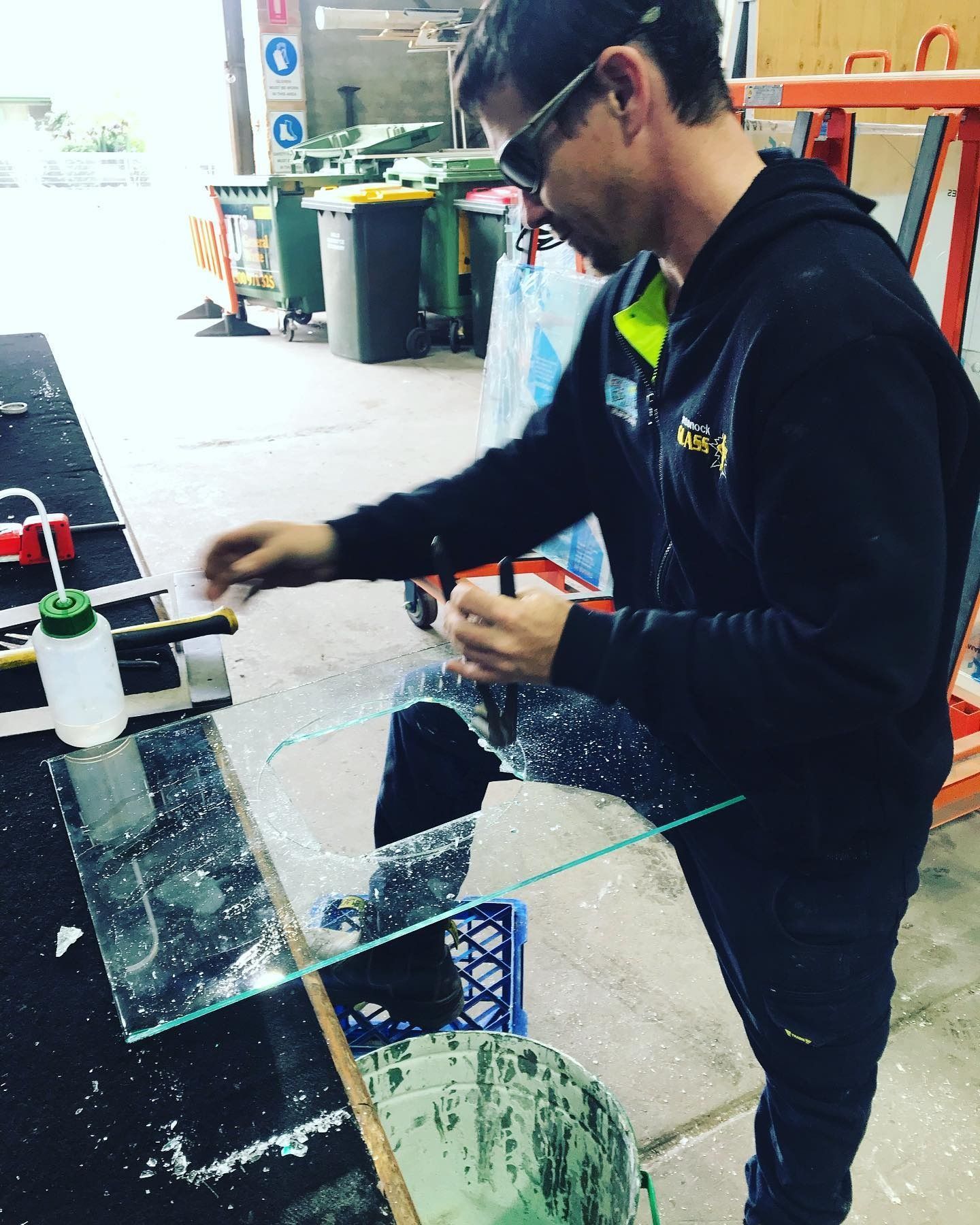
Glazier Grinding Middle Part of Glass Pane
By Cessnock Glass • April 15, 2026
Choose the right glazier with confidence. Get expert tips for quality glass in Cessnock to suit your needs. Read the guide now.
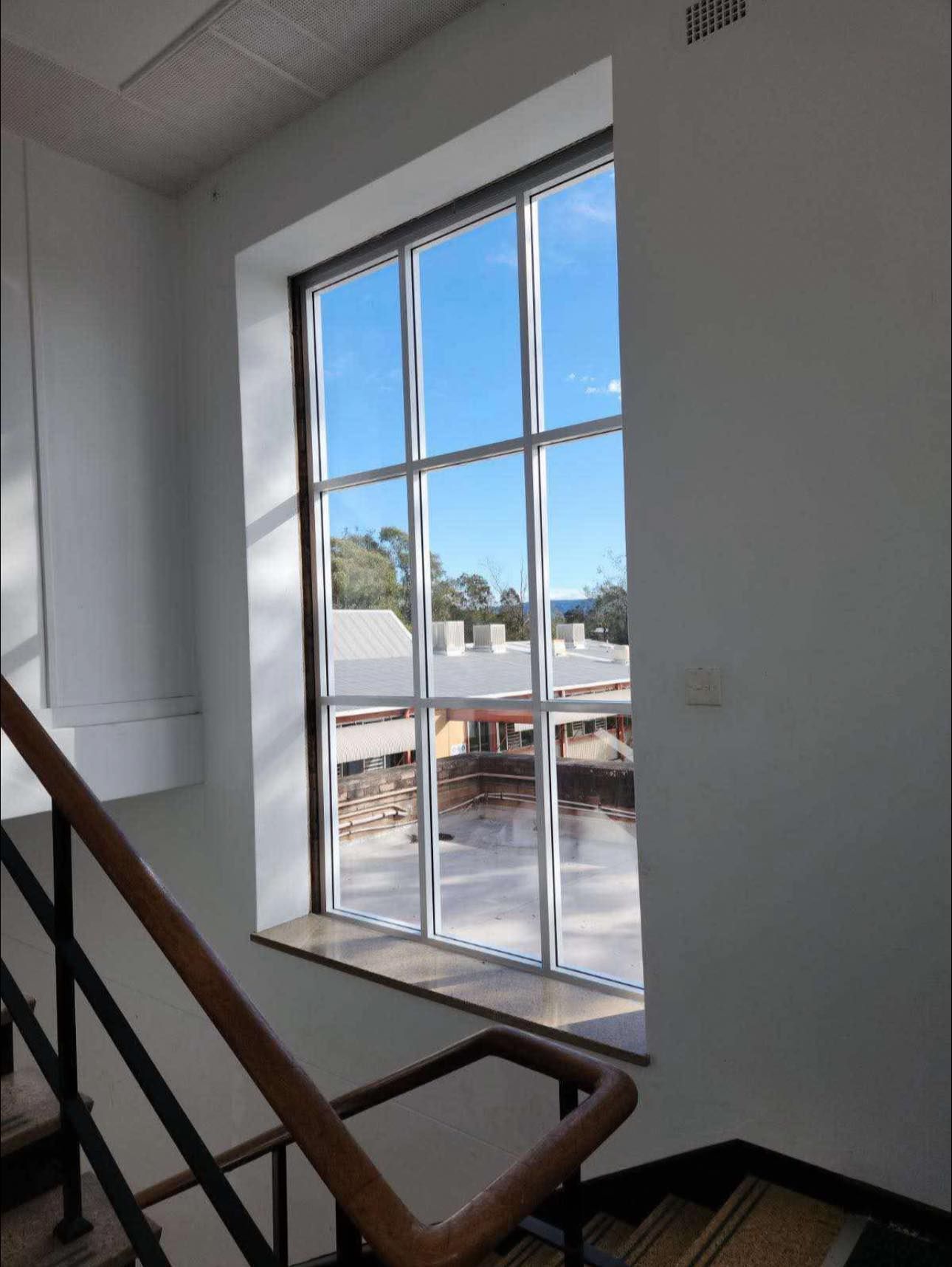
White Window Over Staircase Roof And Trees
By Cessnock Glass • March 12, 2026
Discover common glass problems in older homes and how a skilled glazier in Cessnock can fix them. Book your professional glass service today.
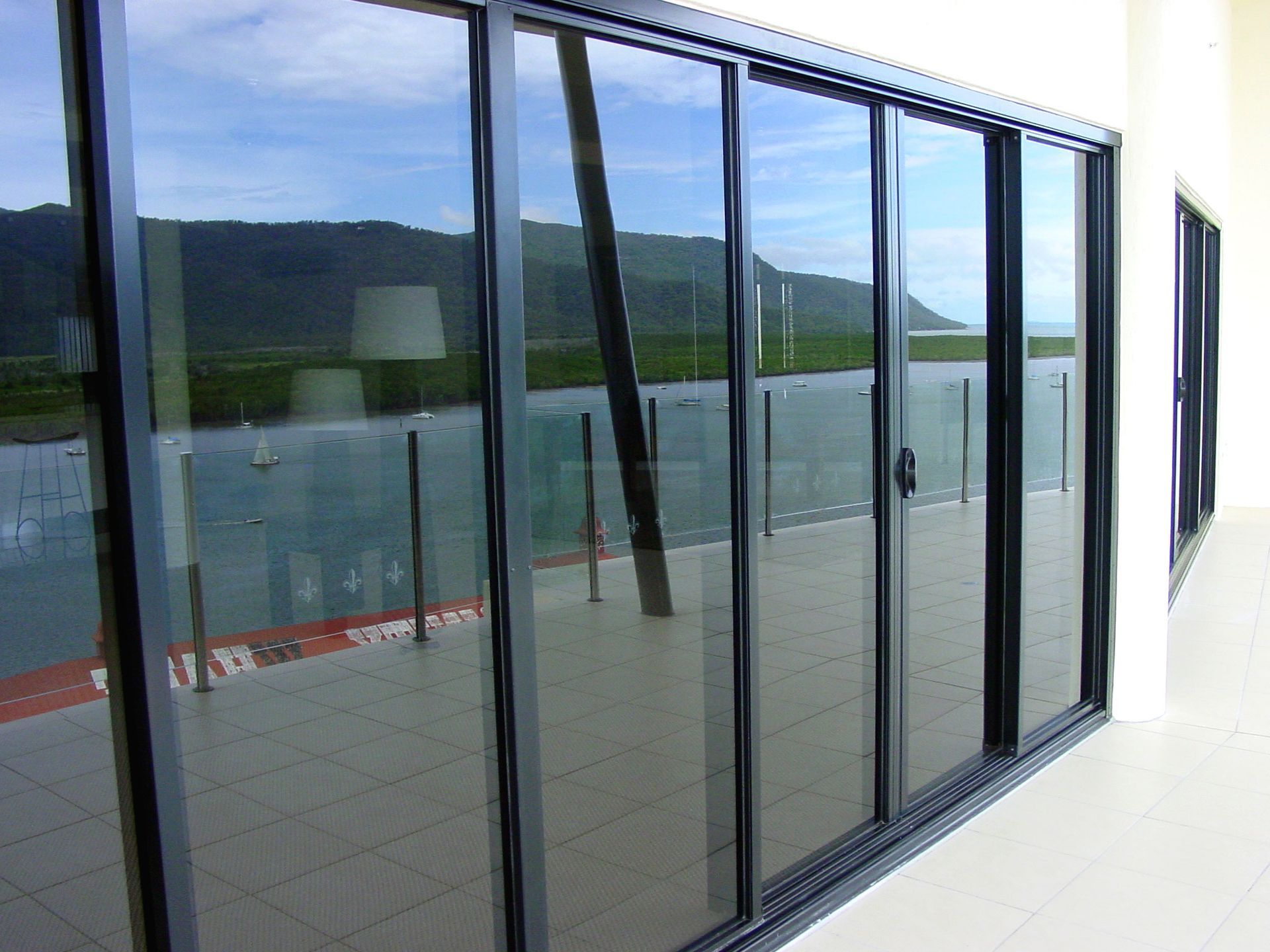
Newly Installed Sliding Door
By Cessnock Glass • February 19, 2026
Discover how custom glass in Cessnock can enhance your home's value. Trust a glazier in Cessnock for quality installations and stylish results.
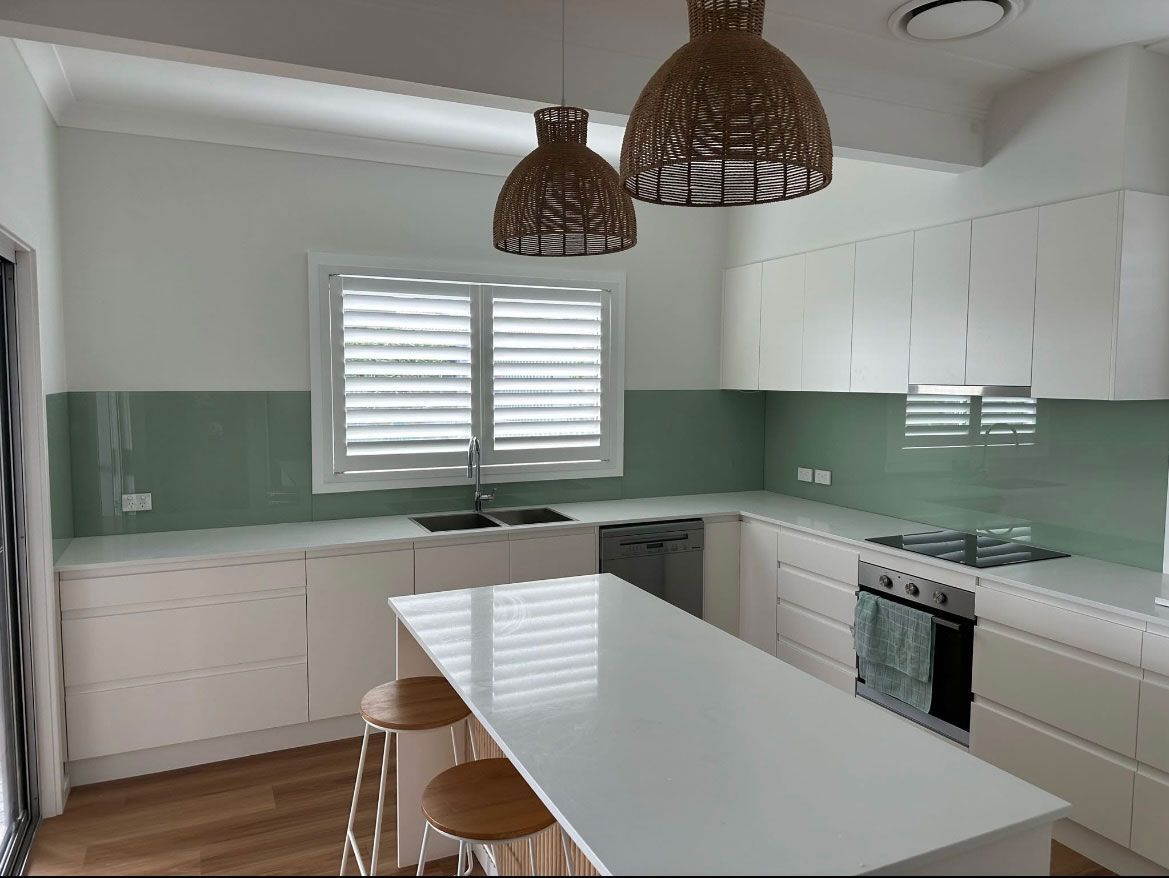
Glass Splashback For Kitchen
By Cessnock Glass • February 12, 2026
See why splashbacks in Cessnock are a stylish kitchen upgrade. Read our blog to learn more and trust in a glazier in Cessnock for glass splashbacks.
Worker measuring and cutting a large glass sheet on a blue workbench inside an industrial workshop.
September 12, 2025
Unsure if your glass needs repair or replacement? Discover the signs it’s time to call a professional glazier in Cessnock with expert tips from Cessnock Glass.
Modern bathroom with a glass shower, sink, and toilet. Beige tile walls and floor, bright lighting — Cessnock Glass in Cessnock, NSW
August 6, 2025
Cessnock Glass offers expert shower screen and glass solutions in Cessnock. Discover the safety, precision, and value a professional glazier provides.
Show More