What Does A Glazier Do? A Complete Guide To Glass Installation And Repair
Blog> What Does A Glazier Do? A Complete Guide To Glass Installation And Repair
What Does a Glazier Do? (Quick Answer)
A glazier is a licensed tradesperson who cuts, fits, repairs and replaces glass and its substitutes in homes, businesses and vehicles. Day to day, that means anything from resealing a leaking shower screen to boarding up a smashed shopfront window after hours. If you're searching for a glazier Cessnock locals trust, it's this mix of hands-on repair work and precise, made-to-measure installation that defines the trade.
The Role of a Glazier Explained
A glazier's work sits somewhere between tradesperson and technician. Unlike a general contractor, their focus is entirely on glass and its substitutes — reading specifications, preparing frames, and getting the fit and finish right the first time.
In practice, that covers:
- Measuring up and interpreting drawings or site requirements to determine the correct glass size, thickness and type for the job.
- Removing broken, old or unsuitable glass and preparing the frame or surround so the new pane sits properly.
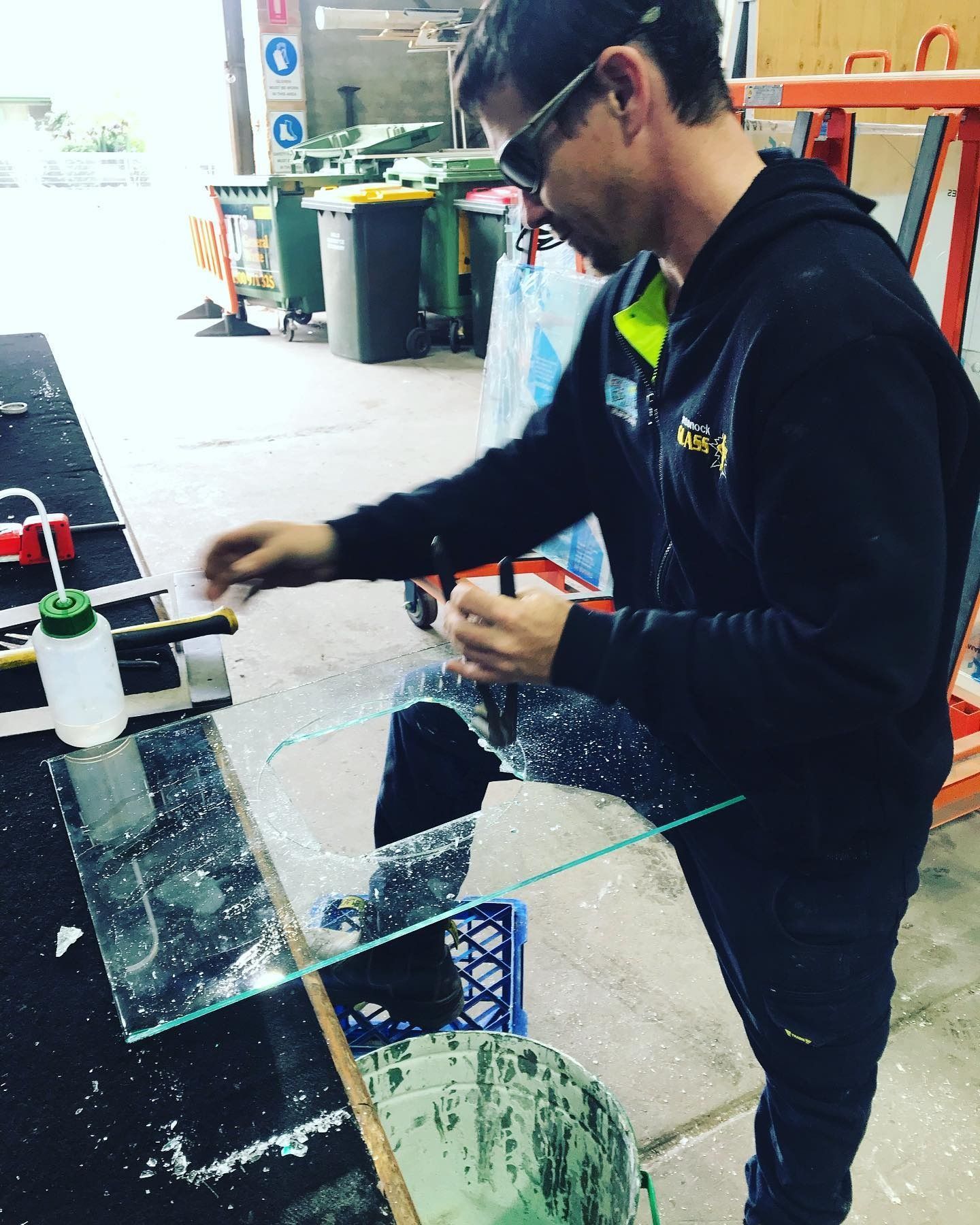
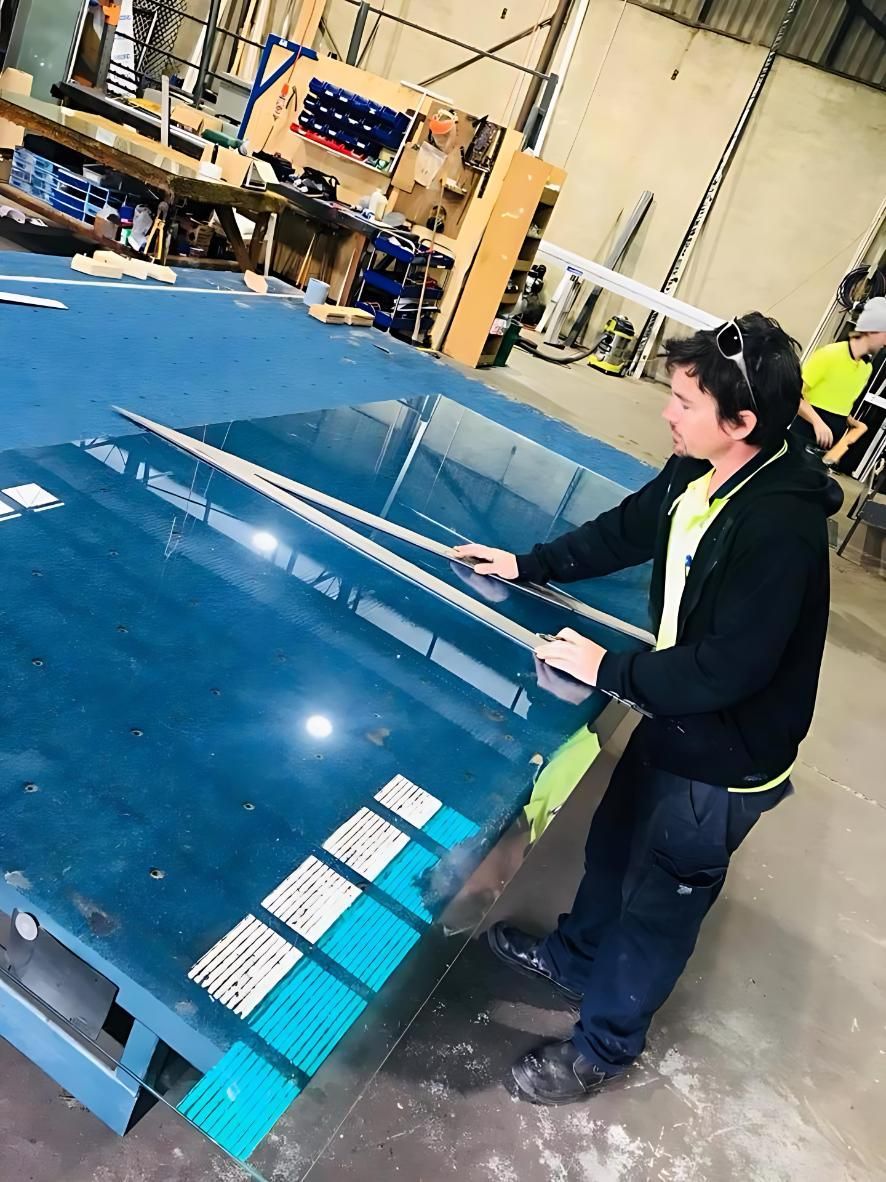
- Cutting, shaping and installing panes using glass cutters, suction cups, grinders and the right fixings for the application.
- Sealing and weatherproofing the finished installation so it performs safely for years, not just weeks.
It's this combination of precision fitting and site-specific problem-solving that separates a qualified glazier from someone simply selling glass.
Glazier Services We Provide Across Cessnock & the Hunter
No two call-outs look the same. Across Cessnock and the wider Hunter region, the day-to-day mix of jobs for our glaziers typically includes:
- Glazing — general glass installation and replacement for new builds, renovations and repairs.
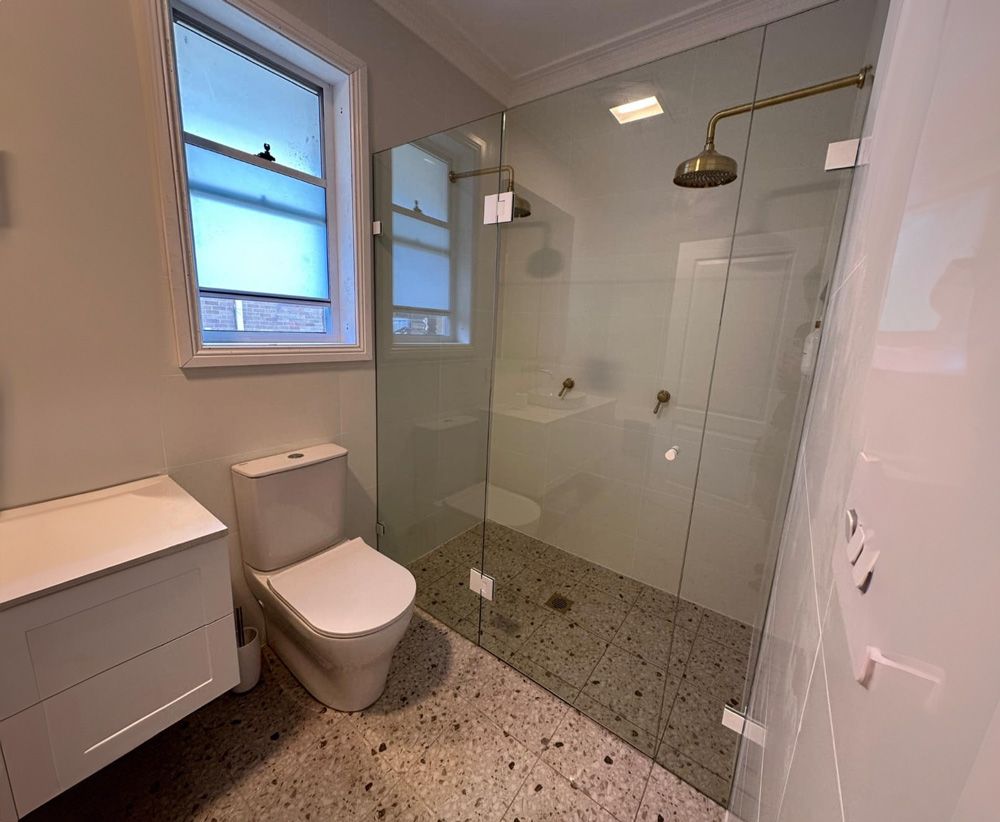
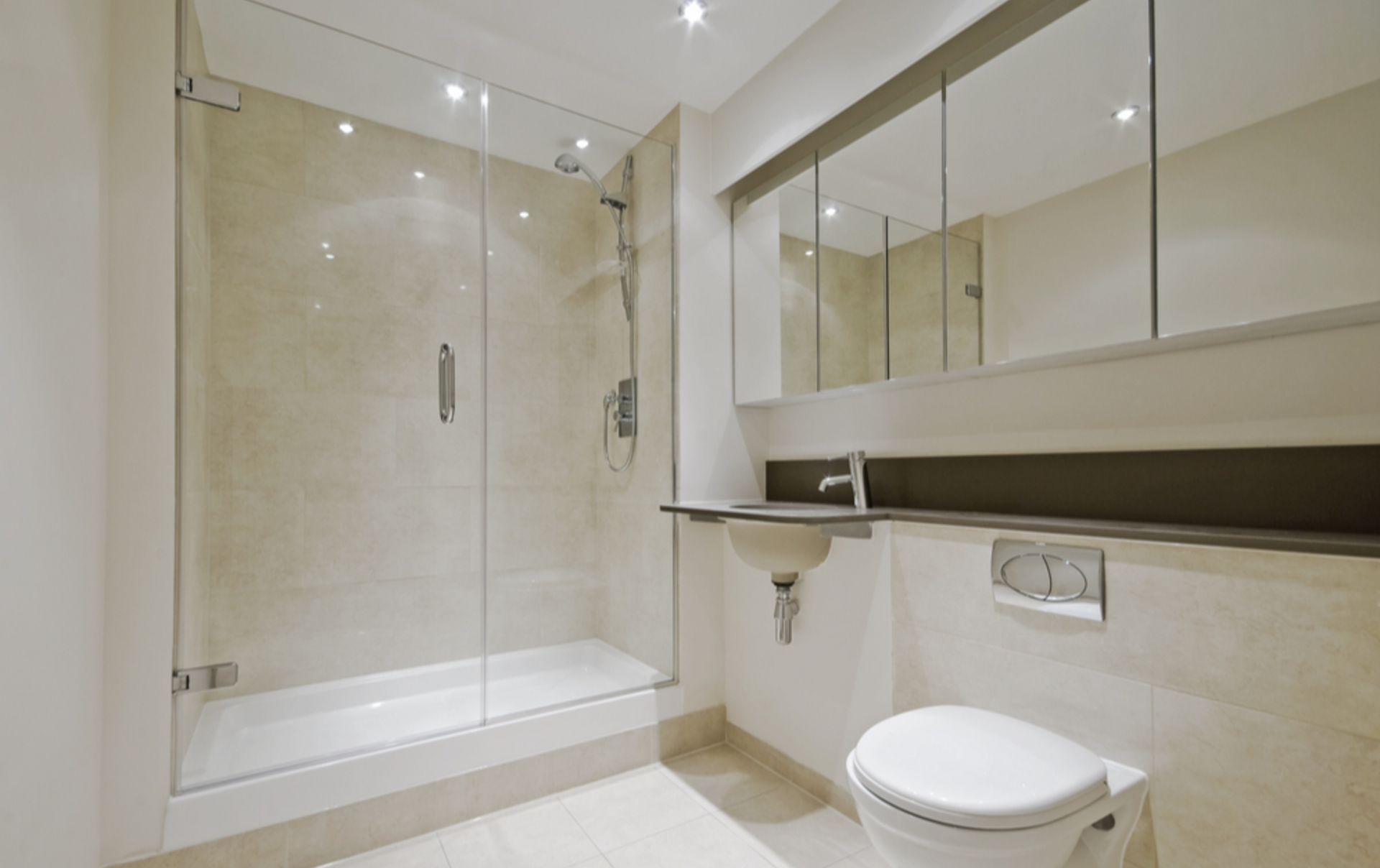
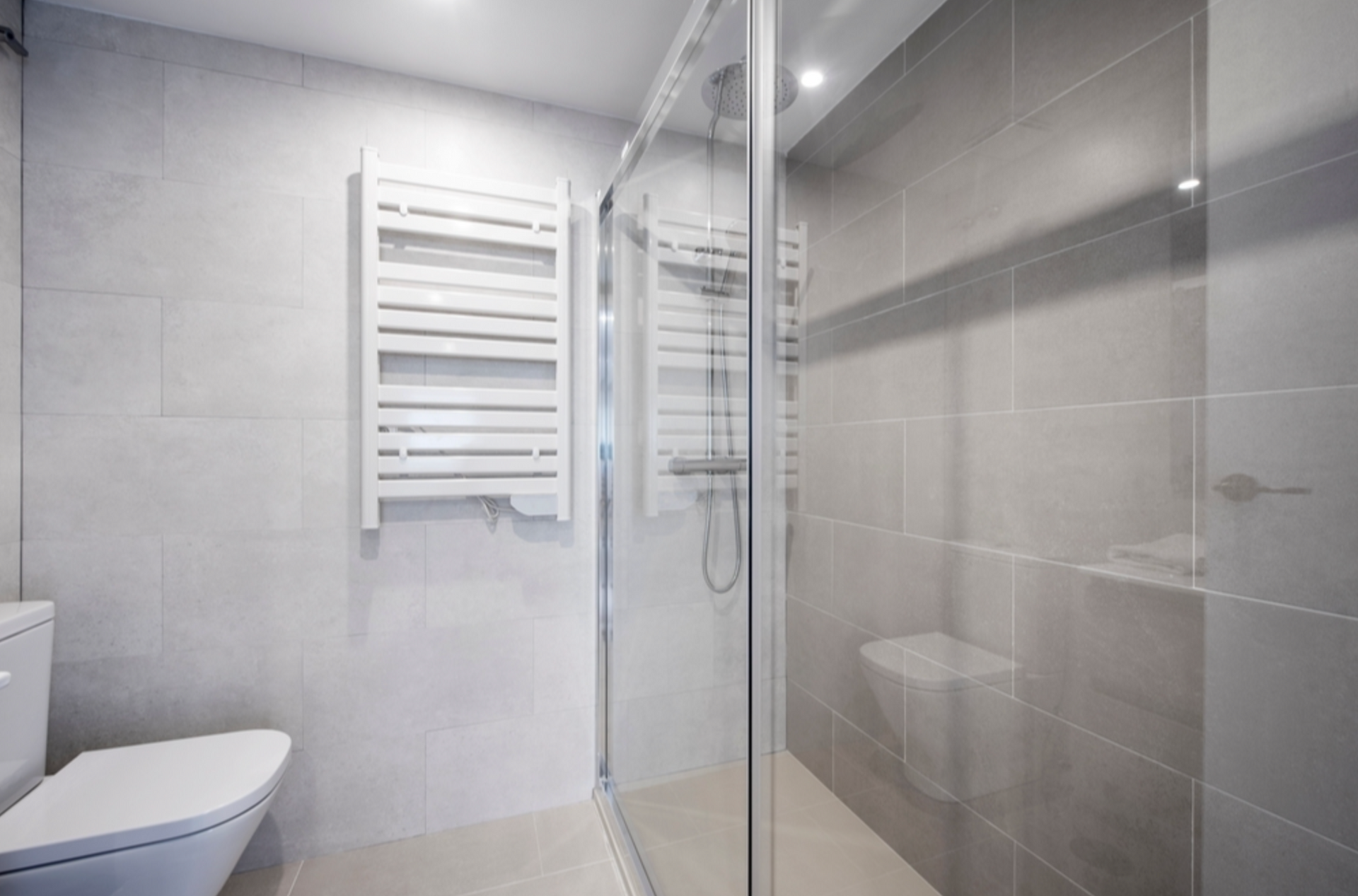
- Shower screens — supply, install and replace, including resealing units that have started to leak or fog.
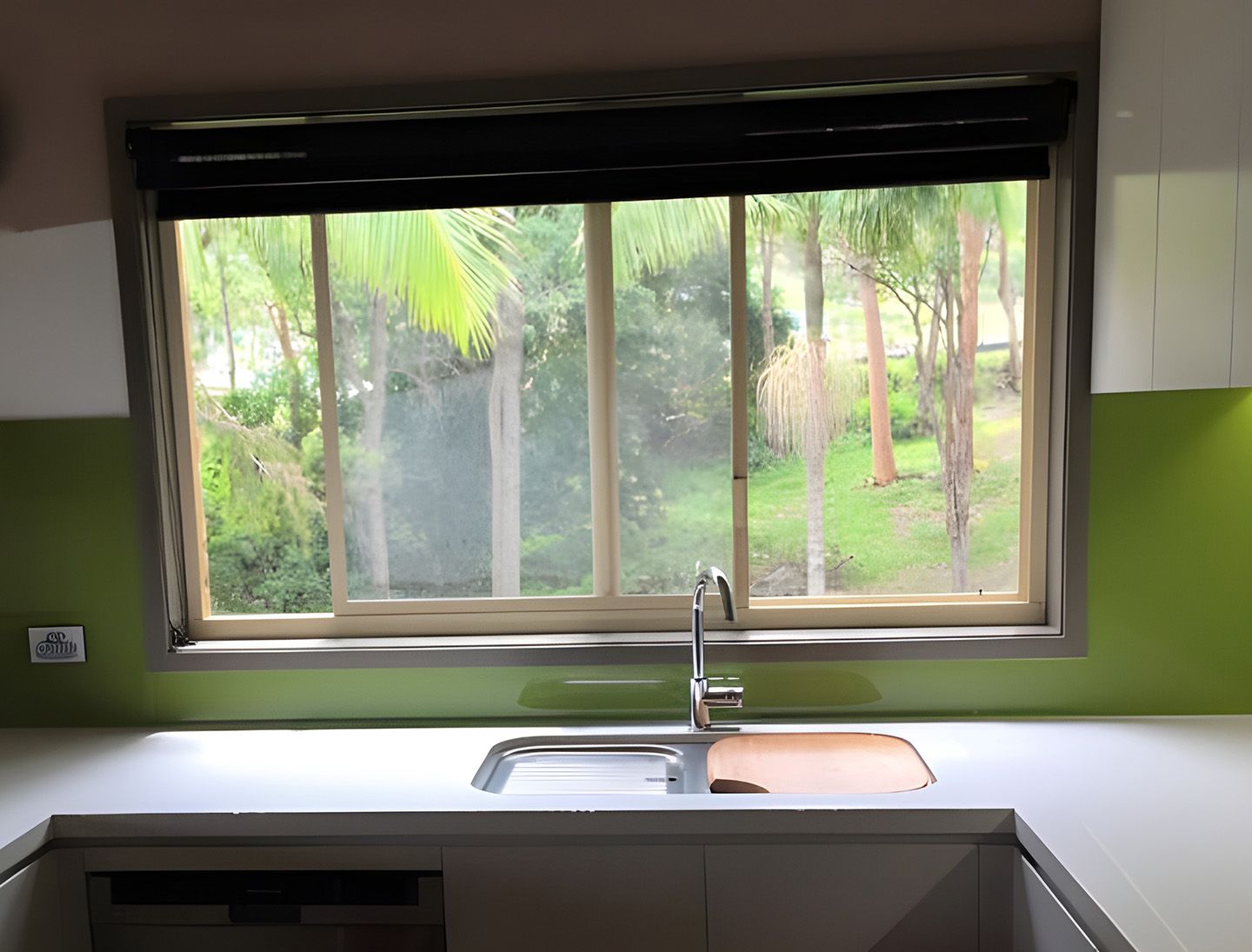
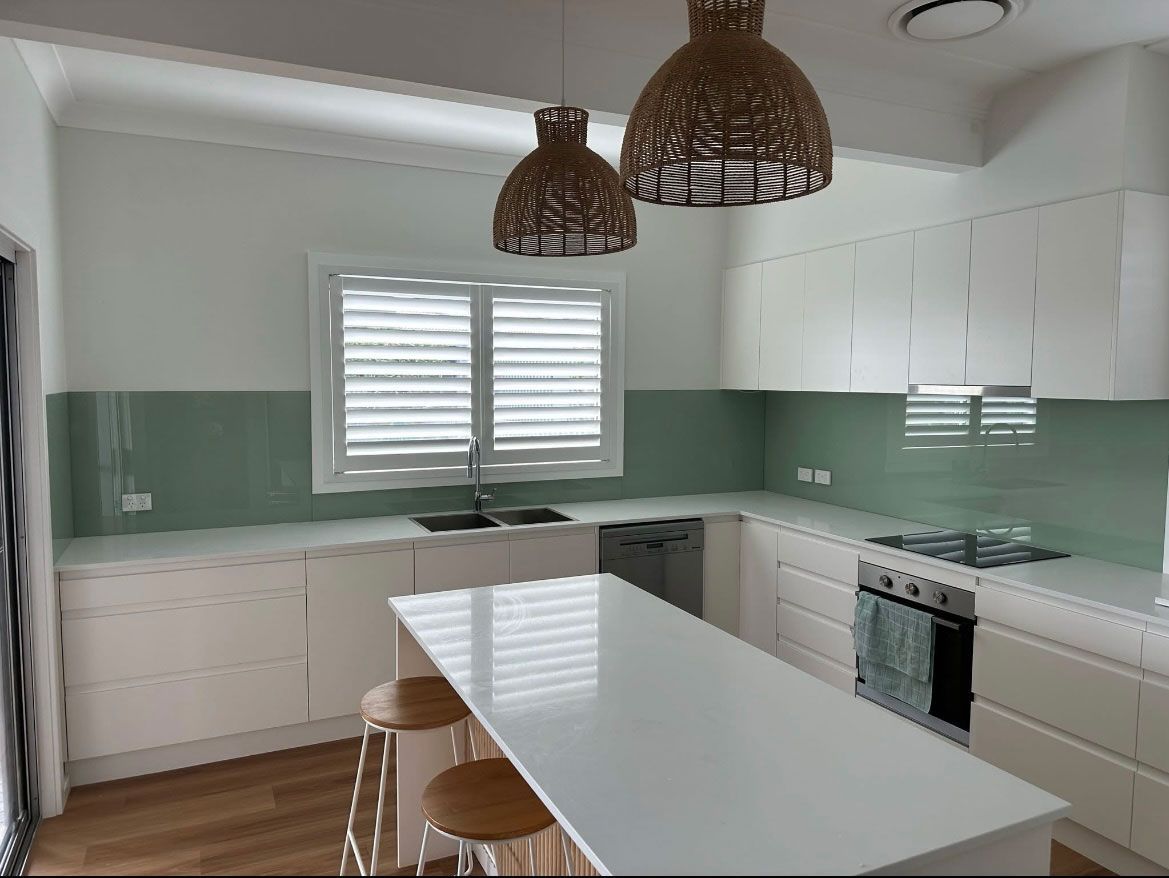
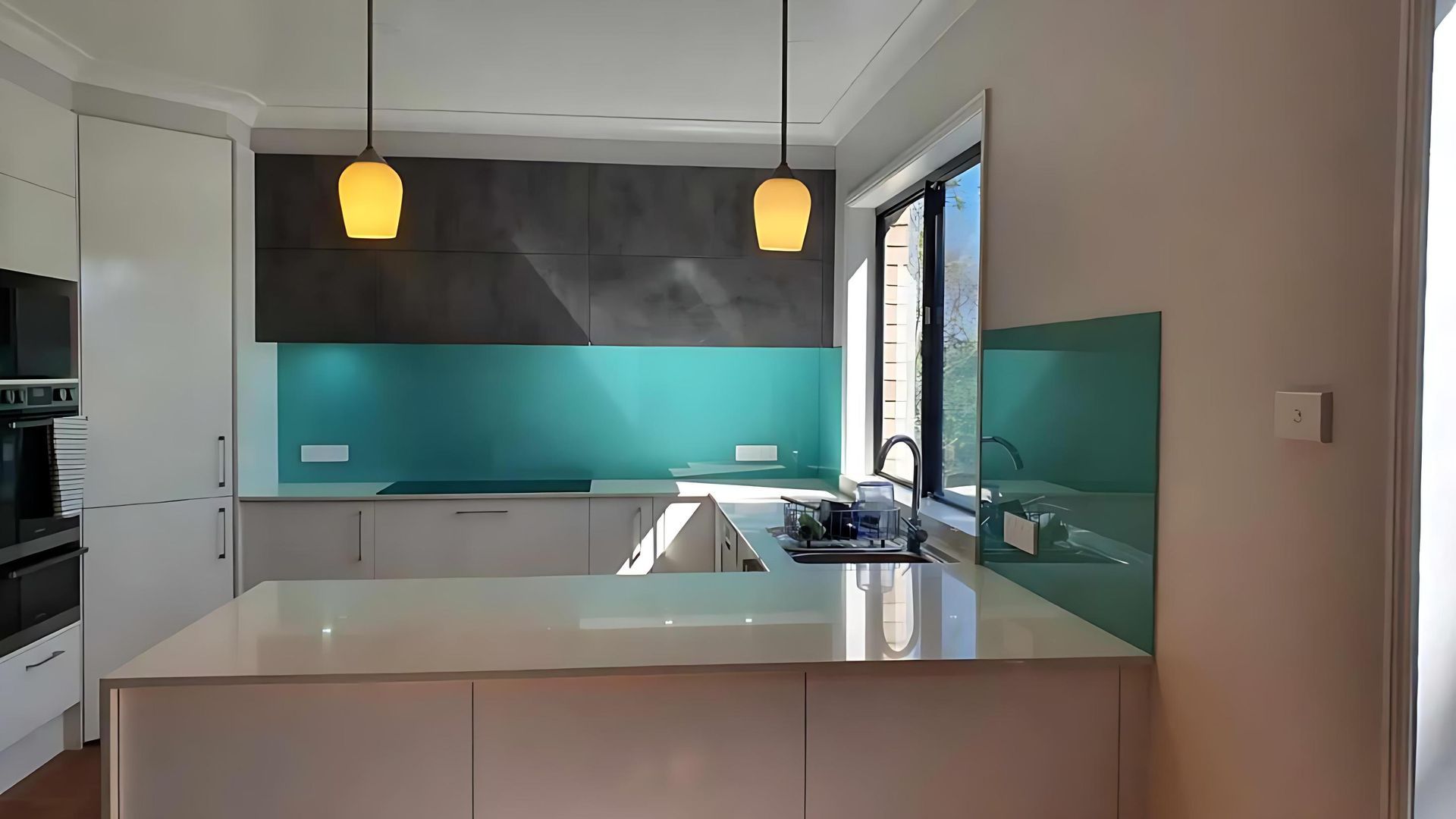
- Splashbacks — kitchen and bathroom glass splashbacks cut and fitted to size.
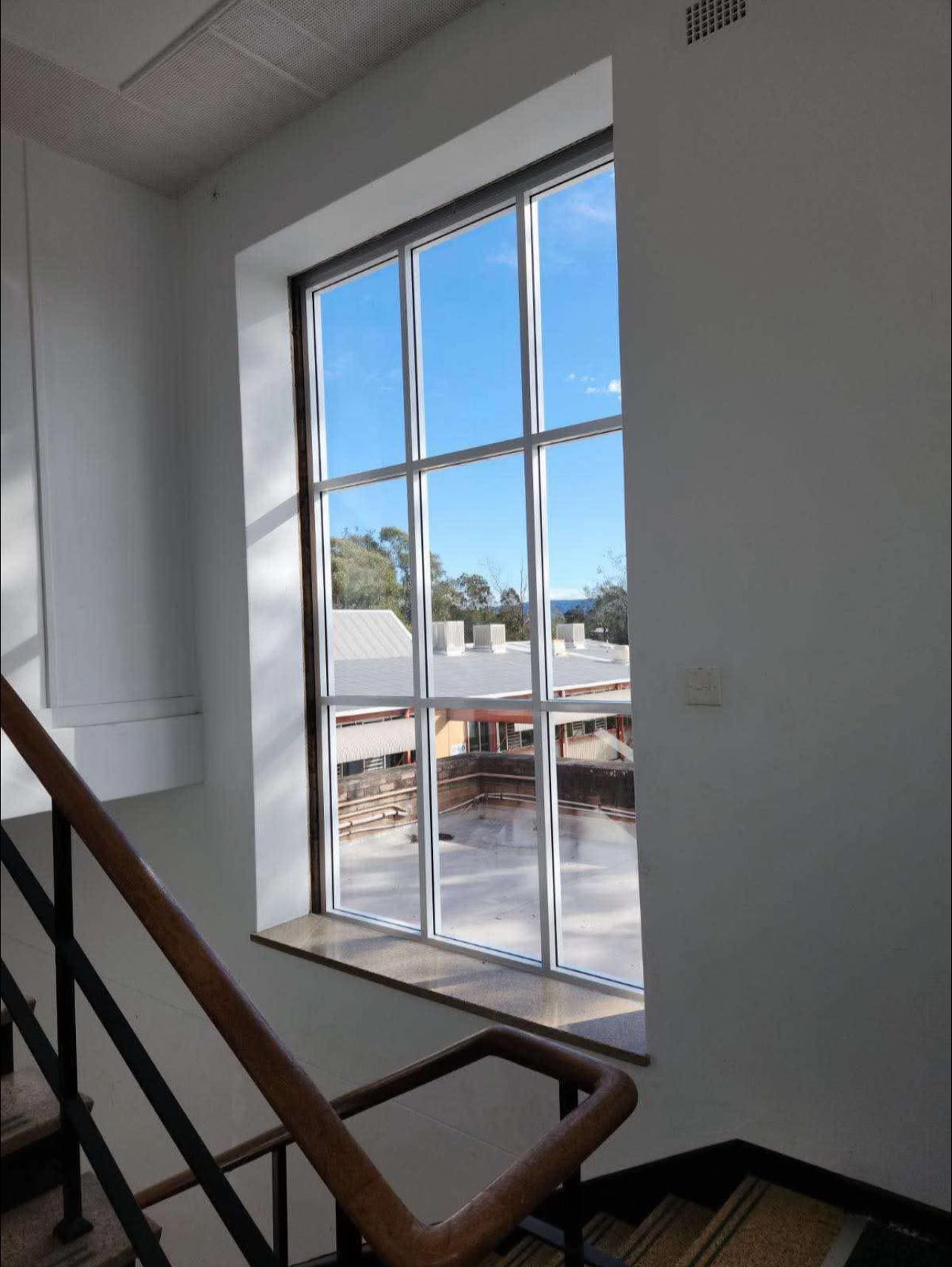
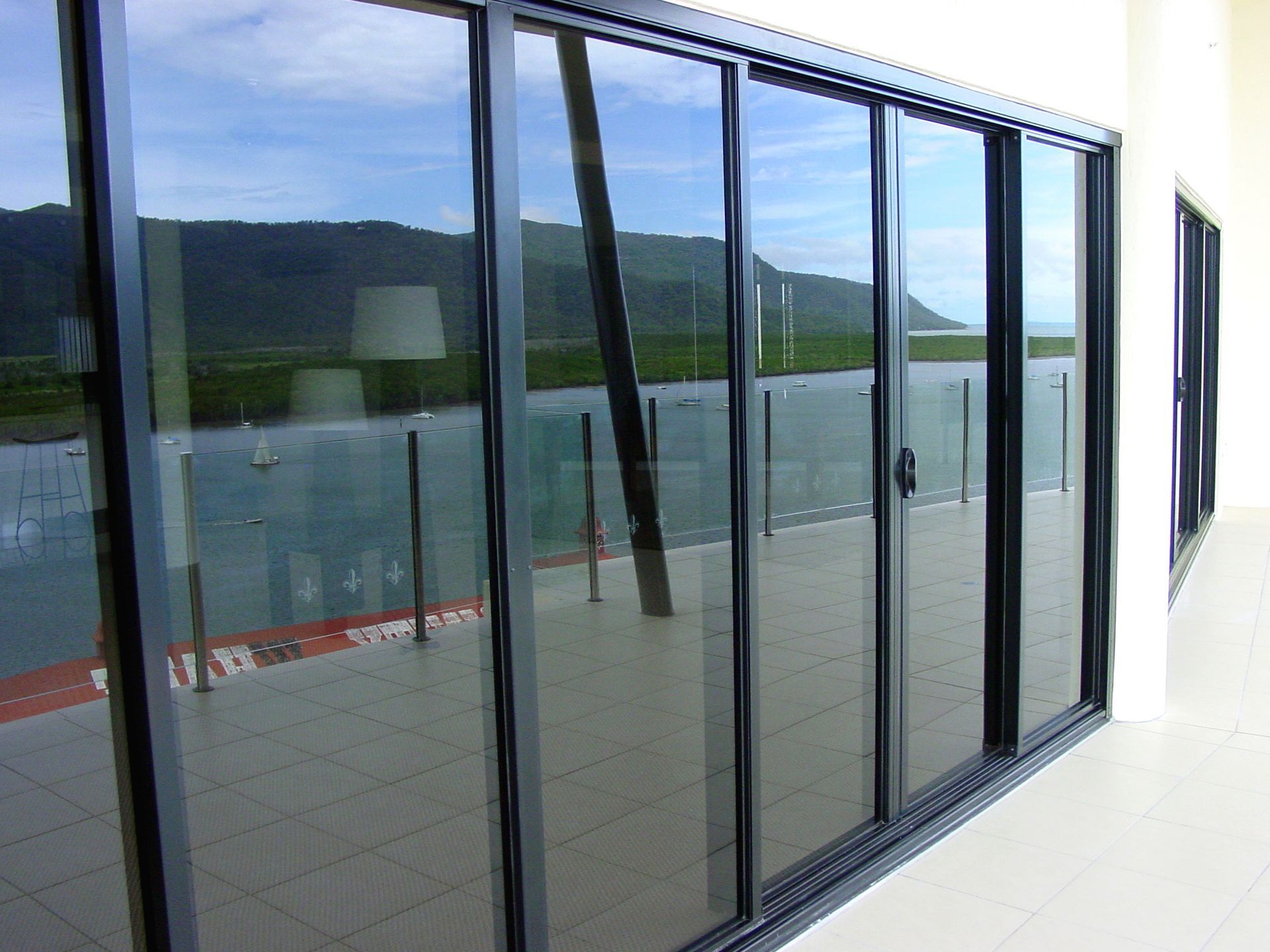
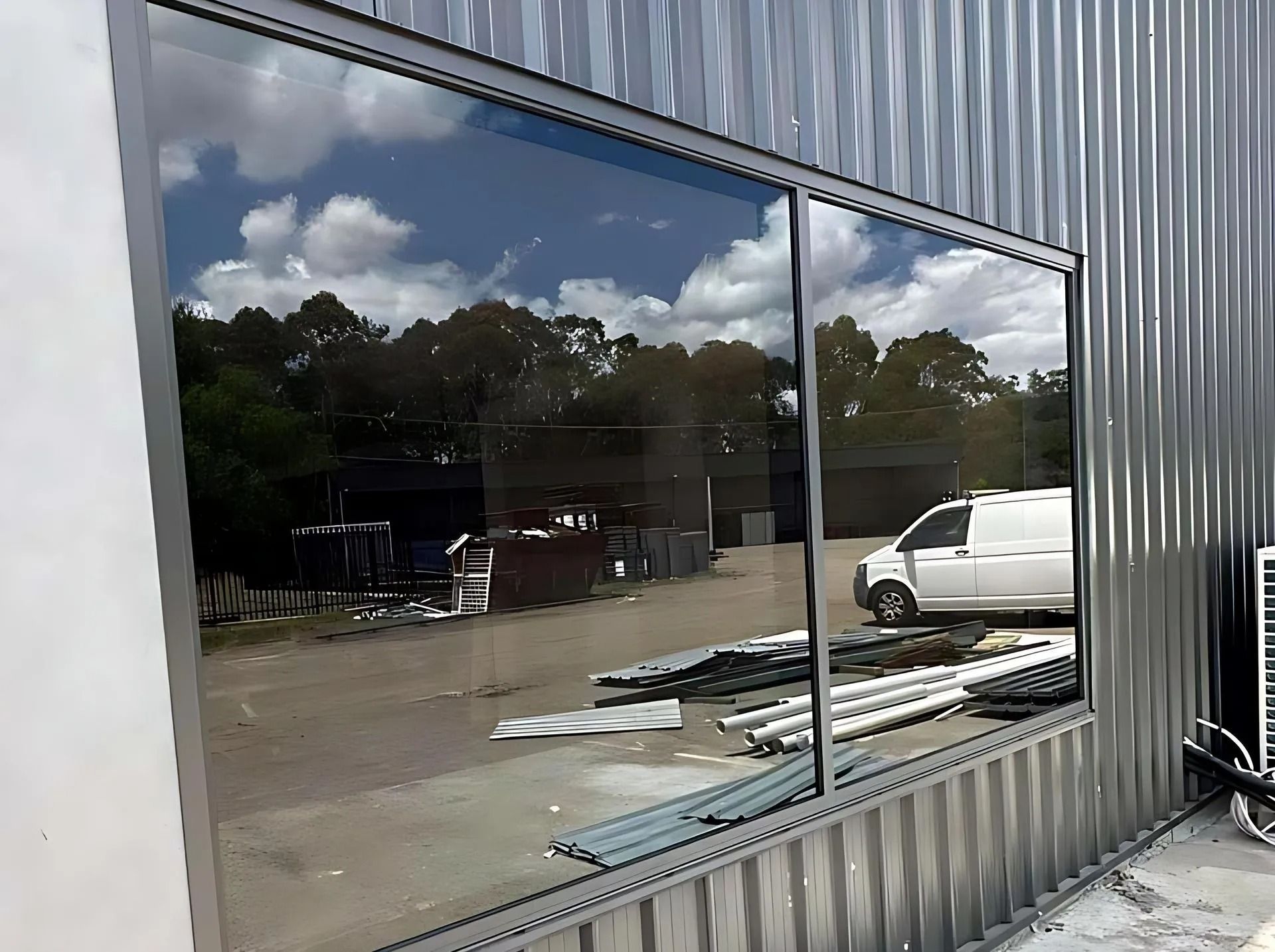
- Windows & doors — glazing and reglazing for residential and commercial window and door units.
- Security screens — supply and installation for added home and business protection.
- Mirrors — custom-cut mirrors for bathrooms, bedrooms, gyms and fit-outs.
- Glass pool fencing & balustrades — frameless and semi-frameless glass panels for pools and stairs, fitted to comply with safety requirements.
- 24/7 emergency glass replacement — board-up and reglaze service for break-ins, storm damage or accidental breakage, day or night.
That range is what you'd expect from an established local operator rather than a big-box supplier — the same crew handling a Monday morning shopfront repair might be back out that night for an emergency glass replacement after a break-in. Explore our full range of our
glazing services to see what's covered.
Tools & Techniques Used in Glass Installation
Every clean, long-lasting installation comes down to the right gear used the right way. On a typical job, that toolkit includes:
- Glass cutters, scoring tools and edge grinders for precise cuts and smooth, safe edges.
- Suction cups, clamps and hoists for handling larger panes without risking cracks or misalignment.
- Sealants, gaskets, glazing beads and adhesives to lock the glass in place and keep the installation weather-tight.
- On-site measuring and templating, so the glass is cut to size and fits first go — no guesswork, no wasted panes.
- Safety gear and rigging for anything at height, including scaffolding or lifts where needed.
Cut-to-size, custom fabrication is a big part of this — measuring the actual opening on site rather than working from generic stock sizes, which is why fit and finish can vary so much between glaziers.
Safety Glass & AS1288: How Glaziers Keep You Compliant
Glass work carries real risk — to the person handling it and to whoever uses the space afterwards. That's why safety glass selection isn't a style choice, it's a compliance one.
A glazier who knows the standards will:
- Select glass in conjunction with AS1288, the Australian Standard that determines glazing requirements based on risk factor and potential for human impact — think doors, low-level windows, shower screens and balustrades.
- Choose between toughened and laminated safety glass depending on the application — toughened for strength and breaking into small, less dangerous fragments, laminated where the glass needs to stay intact in the frame if it breaks.
- Use the right protective equipment on site, including gloves, goggles and fall protection for elevated work.
- Lift and support glass panels safely, with no shortcuts on rigging.
- Prepare frames and openings properly, so the glass isn't put under unnecessary stress once installed.
- Clean up thoroughly, clearing shards and offcuts so the site is left safe.
These aren't box-ticking exercises — getting AS1288 compliance and the toughened-versus-laminated choice right is what keeps a household or workplace safe long after the glazier has left.
When Should You Call a Glazier?
Some glass problems are obvious — a shattered window, a smashed shopfront overnight. Others are easy to put off: a hairline chip, a shower screen that's started to fog, a sliding door that's gone stiff. Left alone, most of these get worse, not better.
As a general rule, it's time to call a glazier when you notice:
- A cracked, chipped or shattered pane, no matter how small it looks.
- Fogging or moisture trapped between double-glazed units — a sign the seal has failed.
- Doors or windows becoming hard to open or close, which can point to a warped frame or misaligned glass.
- Damage in high-traffic areas, where a small chip is a safety risk waiting to happen.
- A renovation or upgrade on the cards, where better-performing or safer glass is worth fitting while the trade is already there.
- An after-hours break-in or storm damage, where a board-up-then-reglaze approach is needed to secure the property immediately and finish the job properly once replacement glass is ready.
If you're still weighing it up, our detailed guide on
how to know it's time to call a glazier walks through the warning signs in more depth.
Get Expert Glass Installation & Repair from Cessnock Glass
Whatever the job — a single cracked pane or a full shopfront fit-out — it pays to work with a local operator who knows the standards and turns up when they say they will. For any job big or small,
Cessnock Glass is the
glazier Cessnock homeowners and businesses rely on.
Get in touch to book a quote or ask about emergency glass replacement.
FAQs
What's the difference between a glazier and a glass supplier?
A glass supplier sells glass stock. A glazier measures, cuts, fits, seals and installs it on site — and handles the removal and disposal of the old glass, plus any frame prep needed to get a proper fit.
Do glaziers repair as well as install glass?
Yes. Repairs — cracked panes, failed shower screen seals, foggy double-glazing, damaged splashbacks — make up a large share of the day-to-day work, alongside new installations.
Does a glazier handle emergency/after-hours glass breakage?
A glazier offering 24/7 emergency glass replacement can secure a property with a board-up straight away, then return to fit permanent replacement glass once it's ready — useful after break-ins, vandalism or storm damage.
What glass do glaziers use for doors and low windows?
Safety glass selected to AS1288, generally toughened or laminated depending on the application, since these are high human-impact locations where standard glass isn't considered safe.